
TL;DR:
- Supporting a friend with ADHD requires empathy, education, and concrete strategies rooted in understanding.
- Effective support evolves with your friend's changing needs and involves clear communication, practical tools, and self-care practices by supporters.
Supporting a friend with ADHD means applying a specific set of skills rooted in empathy, structure, and neurological understanding. ADHD friend support best practices are not vague gestures of goodwill. They are concrete, research-backed strategies that protect the friendship and honor how your friend's brain actually works. The ADD Resource Center and ADHD Awearness both emphasize that effective support starts with education, not assumption. Get that foundation right, and everything else follows more naturally.

1. How can friends educate themselves to better support someone with ADHD?
Education is the single most powerful thing you can do before offering any support. ADHD as a neurological difference redirects your thinking from "why won't they just try harder?" to "what environment helps them succeed?" That shift changes everything about how you show up.
Start with reputable sources. ADHD Awearness publishes blogs, videos, and podcasts specifically designed to help friends and family understand the condition without clinical jargon. The ADD Resource Center offers practical guides on everything from executive function to emotional regulation.
Key areas to study:
- Executive function: The brain's ability to plan, start, and complete tasks. ADHD disrupts this at the neurological level, not the motivational one.
- Working memory: People with ADHD often lose information mid-task. Forgetting your text is not rudeness. It is a memory gap.
- Emotional dysregulation: Feelings hit harder and faster for many people with ADHD. Knowing this prevents you from misreading emotional reactions.
- Hyperfocus: Your friend can concentrate intensely on things that engage them. This is not inconsistency. It is how their dopamine system responds.
Pro Tip: Read one article or watch one short video about ADHD per week for a month. That small habit builds more genuine understanding than a single deep dive.
Education reduces frustration because it replaces guesswork with context. When you understand why something happens, you stop taking it personally.
2. What are effective communication techniques for ADHD friendships?
Clear, specific communication is the backbone of supporting a friend with ADHD. Vague plans create anxiety and missed connections. Concrete plans create reliability.
Replace "let's hang out soon" with "Saturday at 2:00 PM at the coffee shop on Main Street." That level of specificity removes the cognitive load of interpreting open-ended invitations. Experts recommend offering a reminder call 30 minutes before any event. That one step dramatically improves follow-through.
Active listening matters just as much as what you say. Repeat back what your friend tells you. Ask clarifying questions. Resist the urge to finish their sentences, even when the pause feels long. People with ADHD often need a moment to retrieve the right word or thought.
Avoid moralizing language at all costs. Phrases like "you always do this" or "you just need to be more responsible" do not motivate. They shame. Shame shuts down communication and erodes trust faster than any missed plan ever could.
- Use specific times and locations for every plan.
- Offer a 30-minute reminder call or text before meetups.
- Repeat back what you heard to confirm understanding.
- Ask "what would help you most right now?" before offering solutions.
- Avoid phrases that imply laziness or carelessness.
Pro Tip: When your friend interrupts you, do not interpret it as disrespect. ADHD brains generate ideas rapidly and fear losing them. A gentle "hold that thought" keeps the conversation on track without making them feel bad.
3. What practical support strategies help with tasks and reliability?
Practical support works best when it is specific, consistent, and led by your friend's preferences. Three techniques stand out above all others: structured reminders, body doubling, and sequential task support.
Structured reminders
Repeating calendar reminders close what researchers call the "maintenance gap" in ADHD relationships. Set a recurring reminder every other Sunday to check in with your friend. That automated consistency removes the burden from both of you to remember to connect.
Body doubling
Body doubling is one of the most effective and least understood tools in ADHD support. Effective body doubling requires being a passive, visible presence without giving unsolicited advice. You sit nearby while your friend works. You do not coach, correct, or chat. Your presence alone regulates their focus. This works in person and virtually, over a video call with cameras on.
The structure that works best pairs 25 minutes of focused work with a 5-minute break. That cycle sustains cognitive function without burning out the ADHD brain. You can use a shared timer to keep both of you on track.
Sequential task support
One instruction at a time reduces cognitive overload for people with ADHD. Presenting a full to-do list at once can cause panic. Instead, give one step, wait for completion, then give the next. This approach lowers anxiety and raises the chance of success.
| Support method | What you do | What to avoid |
|---|---|---|
| Structured reminders | Set repeating calendar alerts | Expecting them to remember on their own |
| Body doubling | Sit nearby, stay quiet | Coaching, chatting, or advising during sessions |
| Sequential support | Give one instruction at a time | Listing multiple tasks simultaneously |
Pro Tip: Ask your friend which of these three methods feels most helpful to them. Support led by the person with ADHD fits their actual needs instead of your assumptions.
4. How to repair trust when ADHD-related lapses affect the friendship
Missed texts, forgotten plans, and dropped commitments happen in ADHD friendships. The way you respond to those moments determines whether the friendship grows stronger or quietly falls apart.
Avoid guilt-tripping when your friend misses an appointment or forgets a text. Guilt-tripping shifts the conversation away from solutions and toward emotional debt. Your friend likely already feels deep remorse. Piling on does not fix the problem. It just adds shame to an already difficult moment.
The clean repair model offers a better path. It has three steps: acknowledge the lapse clearly, skip the elaborate apologies, and establish a concrete system to prevent the same thing from happening again. One kept commitment rebuilds more trust than ten apologies. That is not a metaphor. It is how trust actually works.
Effective repair conversations also avoid forcing your friend to comfort you about their lapse. The focus stays on the system, not the feelings. What reminder would have helped? What can both of you set up now?
- Acknowledge the lapse without dramatizing it.
- Skip lengthy apology cycles and move to solutions.
- Build a concrete system together to prevent recurrence.
- Follow up on the new system within a week.
- Manage your own emotional response before the conversation.
Consistent follow-up matters more than the initial repair conversation. Check in on the new system. Adjust it if it is not working. Flexibility is not weakness. It is what makes support sustainable.
5. What self-care practices help friends sustain long-term ADHD support?
Sustainable support requires that you take care of yourself, too. Compassion fatigue is real, and it quietly erodes the quality of care you can offer. Recognizing your own limits is not selfish. It is responsible.
Support must adapt over time and be led by the person with ADHD to fit their changing needs. That means your role will shift. Some seasons call for more active help. Others call for simply showing up. Staying rigid about how you support someone guarantees burnout for both of you.
Practical self-care for ADHD supporters:
- Set clear boundaries: Decide in advance what you can and cannot offer. Communicate those limits kindly and directly.
- Join a support community: Groups for friends and family of people with ADHD provide perspective, validation, and practical ideas.
- Maintain your own social life: Your friendships outside this relationship matter. Protect them.
- Seek your own resources: ADHD Awearness offers content specifically for supporters, not just people with ADHD themselves.
- Review your support methods regularly: What worked six months ago may not work now. Check in with your friend and adjust.
Pro Tip: Schedule a monthly "support check-in" with yourself. Ask: Am I feeling resentful? Am I giving more than I can sustain? Those answers tell you when to recalibrate before burnout sets in.
Caring for friends with ADHD is a long game. The friends who last are the ones who pace themselves, stay curious, and treat the relationship as a two-way street.
What I have learned about supporting friends with ADHD
The biggest mistake I see people make is treating ADHD support like a problem to solve once and move on. It does not work that way. The support needs to evolve because the person evolves, and because ADHD itself shows up differently across seasons of life.
I have also noticed that the friends who do this best are the ones who listen more than they advise. There is a strong pull to fix things, to offer the right system or the perfect reminder app. But what most people with ADHD say they need first is to feel understood, not managed. Companionship and acknowledgment outweigh practical corrections in effective support. That finding surprised me when I first read it. Now I think it is the most important thing in this entire article.
The other thing I keep coming back to is the clean repair model. Relationships do not break because of missed plans. They break because of how missed plans get handled. If you can stay calm, skip the guilt trip, and focus on building a better system, you will have a friendship that actually gets stronger through the hard moments.
Neurodiversity is not a flaw to accommodate. It is a different way of being in the world. The friends who embrace that fully, without resentment or pity, are the ones who build something real.
— Bruce
ADHD Awearness: resources for friends and families
Friends and family of people with ADHD deserve support too, and ADHD Awearness was built with that in mind.
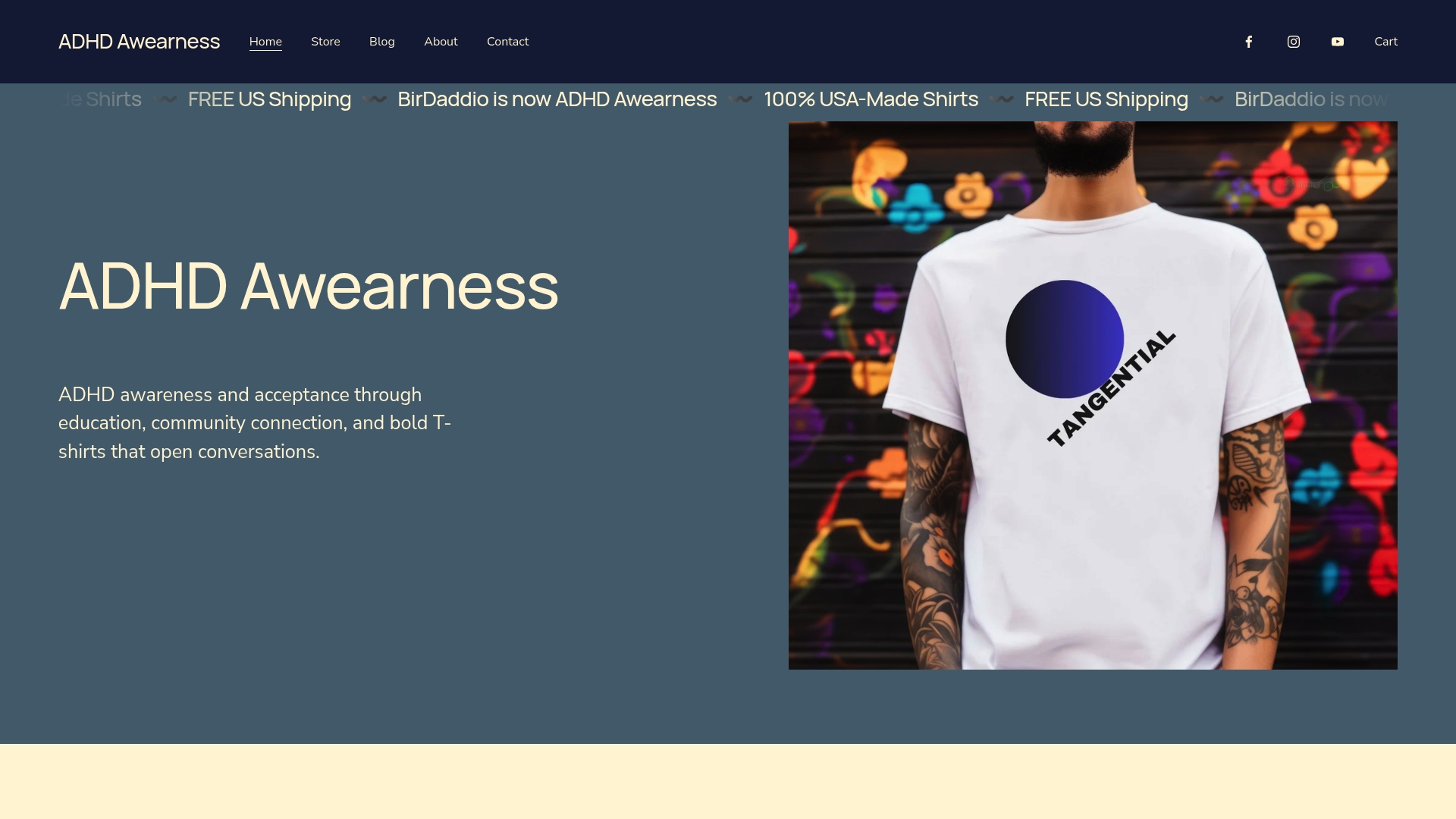
ADHD Awearness provides blogs, videos, and podcasts that speak directly to supporters, not just to people with ADHD themselves. The content is clear, research-grounded, and free of clinical jargon. Beyond education, the ADHD Awearness store carries 100% USA-made apparel designed to spark real conversations about neurodiversity. A portion of every sale supports ADHD-focused nonprofits. Wearing that message into your daily life is one of the most visible ways to show your friend that you are genuinely in their corner. Browse the Abilities Collection to find something that says exactly that.
FAQ
What are the most effective ADHD friend support best practices?
The most effective practices are education about ADHD as a neurological difference, specific and structured communication, body doubling, sequential task support, and clean repair conversations after lapses. These strategies reduce friction and build lasting trust.
How does body doubling help a friend with ADHD?
Body doubling works by providing a passive, visible presence that helps regulate focus without coaching or advice. It can be done in person or virtually over a video call.
What should I avoid when supporting a friend with ADHD?
Avoid guilt-tripping after missed plans, moralizing language, and presenting multiple tasks at once. These behaviors increase shame and cognitive overload without improving the situation.
How do I maintain a friendship when my ADHD friend keeps forgetting plans?
Use repeating calendar reminders to stay connected consistently, and offer a reminder call 30 minutes before any meetup. When lapses happen, focus on building a better system together rather than revisiting the lapse itself.
How do I avoid burnout while supporting a friend with ADHD?
Set clear personal boundaries, maintain your own social connections, and review your support methods regularly. Support that adapts to both your needs and your friend's changing needs is the kind that lasts.